Since 2020, Margo Diricks has been conducting research on non-tuberculous mycobacteria at the Research Center Borstel, Leibniz Lung Center. Using genome sequencing and bioinformatics, she investigates the distribution, genetic diversity, transmission routes and antibiotic resistance patterns of these bacteria.
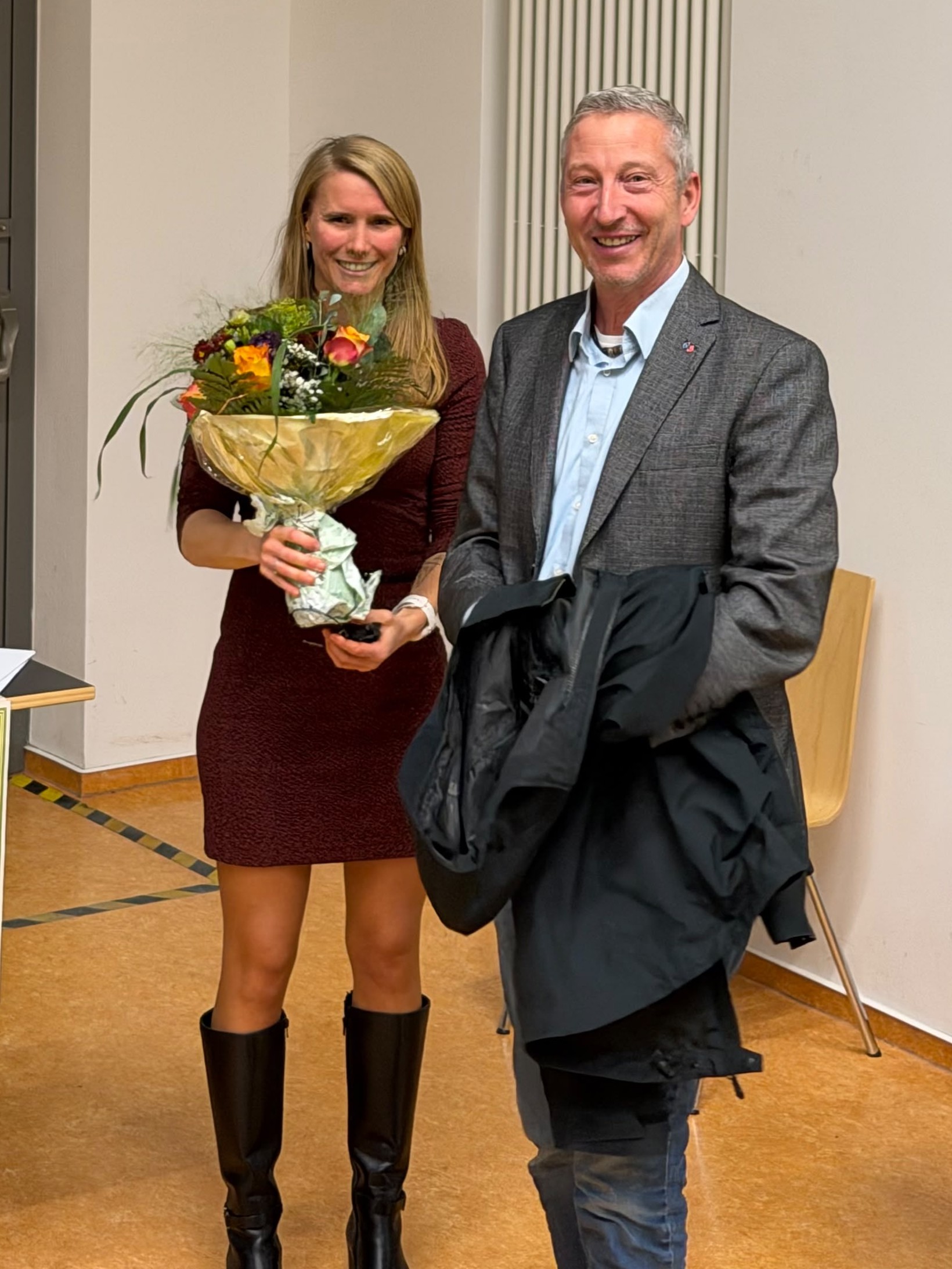
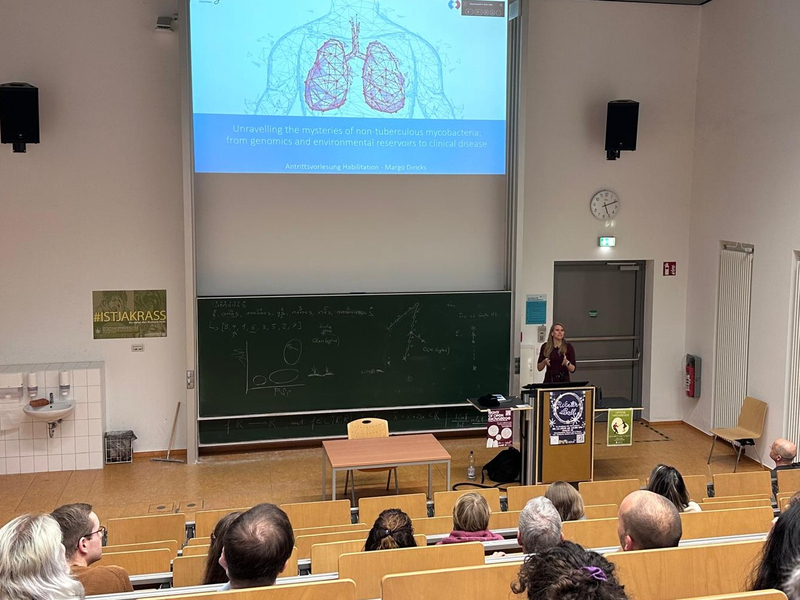
Dr. Margo Diricks has successfully completed her habilitation in microbiology at the University of Lübeck. At her inaugural lecture on November 3, 2026, she presented her research on non-tuberculous mycobacteria (NTM). Her habilitation thesis, entitled “Genomic epidemiology of non-tuberculous mycobacteria”, examines the genetic diversity of these bacteria, their distribution, and potential routes of transmission.
From genome sequencing to identifying sources of infection
Non-tuberculous mycobacteria occur in the environment, including water, soil and dust. While many species are harmless to humans, some can cause infections. People with underlying lung conditions or weakened immune systems are particularly at risk. Treatment is often prolonged and associated with considerable side effects.
A central question in NTM research is where the pathogens originate and how humans come into contact with them. Although NTMs have been detected in numerous environmental samples, the specific source of infection has so far not been determined for many patients. This is where Diricks’ research comes in. Using whole-genome sequencing, she and her collaborators are analyzing the genetic information of the bacteria. By comparing complete genomes, they can identify genetic relationships between pathogens from clinical and environmental samples. This can provide clues about possible transmission routes and sources of infection. “Genome sequencing offers the opportunity to understand the diversity of NTM and identify potential links between clinical and environmental isolates. At the same time, many questions about the transmission and distribution of these bacteria remain unanswered”, explains Diricks.
Bioinformatics for infection research
A major focus of her work since 2020 has been the development of the NTMseq analysis pipeline. This bioinformatics tool enables the systematic analysis of genomic data, including bacterial species identification, genetic typing and the investigation of antibiotic resistance and plasmids. Plasmids are additional DNA elements that can carry, among other things, antibiotic resistance genes. Diricks and her team demonstrated that plasmids in non-tuberculous mycobacteria are highly diverse and can also occur across different bacterial species. This is clinically relevant because resistance genes may potentially spread in this way.
In another study, the team investigated the genetic diversity of Mycobacterium abscessus, a species that is particularly difficult to treat. The findings showed that certain genetic lineages are common both among patients and in the environment. Their clinical success could therefore be due not only to higher virulence, but also to patients coming into contact with these bacteria more frequently.
The results also highlight that genomic data alone cannot establish transmission routes. Clinical findings, epidemiological data and environmental investigations are also needed to identify potential sources of infection. It remains unclear which environmental sources are particularly relevant and how people at risk can better protect themselves from infection.
Scientific career
After completing her PhD in bioengineering in 2017 at Ghent University in Belgium, Margo Diricks initially worked at a bioinformatics company. In 2020, she joined the “Molecular & Experimental Mycobacteriology” research group led by Prof. Dr Stefan Niemann as a postdoctoral researcher. Her work with various species of mycobacteria gradually shifted to focus on non-tuberculous mycobacteria. Following the successful completion of her habilitation, the University of Lübeck awarded her the qualification to teach independently in the field of microbiology.